Awakenings

Glimpses of the Divine in the Mundane

My husband is an entertaining sleeper.  He has very real dreams that toy with his emotions, getting him to believe the impossible.  For example, one night at 3am (this is usually the time it happens), he goes flying out of bed.  He’s looking frantically out the windows in our bedroom, as if something is wrong.  I, being a very light sleeper, wake up and am freaking out.  Is there a prowler out there?  I ask him what’s wrong.  He grunts something and then leaves the house – that’s right!  He walks out the door.  I hear the jeep start up.  And then I hear the jeep drive away.  Now I’m worried.  After about 5 minutes or so, I hear the jeep pull back into the driveway.  The front door opens and I hear him come into the house.  He enters the bedroom, and I ask him what’s going on.  He mumbles, “I don’t want  to talk about it.”  He falls back into bed and after about an hour, I finally go back to sleep.  In the morning, I ask him again what happened.  He looks at me sheepishly and tells me the story.  Apparently, he was dreaming about work and when he woke up, he just knew that there were homeless people just down the hill waiting to eat.  He felt like he was late and that everyone was disappointed in him.  He said that as he drove down the hill, he knew it couldn’t be real, but he had to prove it to himself.  We had a good laugh…until it happened again.  (But that’s another story).

There’s a great movie called Awakenings starring Robin Williams and Robert Di Nero.  The movie tells the true story of neurologist Oliver Sack’s experience of waking up patients who had been in a catatonic state for years with doses of the drug L-Dopa.  Most of these patients hadn’t been awake for decades, and the movie tells the story of what it was like to wake up in a whole new era.  However, the “awakenings” didn’t last, and the people slowly returned to their catatonic state.  The doctor, who was a recluse, also had an awakening of sorts through the whole experience, and decided to step out of his box and live life to the fullest.  He realized that he had been existing most of his life in fear of life, even though he ironically brought a period of life back to his patients.
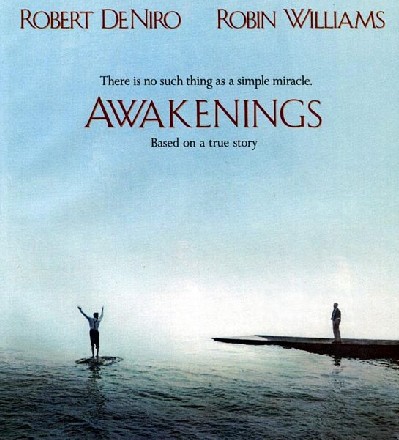
There are so many of us who are asleep.  There are so many of us who walk around this world in our catatonic state, longing for an awakening.  Trapped inside our insecurities, our fears, or the expectations of others or ourselves, we watch from a window inside our soul.  Hands pressed against the glass, we long to leave our prison we’ve created, but the risk seems too great, and normalcy screams the safer option.  And so we learn to be catatonic sleep-walkers.  We are great actors. We learn all the cues of how to look awake.  We learn what “awake” words and phrases sound like.  We learn all the “normal” ways of how society wants us to be authentic and we become that character.  All the while yearning to let our true self out to dance, play and change the world we were meant to change for such a time as this.

The ironic part is that as we play the role, the world is longing for sleepers to awake.  Enough with the games.  Enough with the politics.  Enough with the fears of social stigma.  And I am speaking from a small place of experience.  These past couple of years have been and continue to be an awakening for me. But it’s also a struggle because “sleeping” is so comfortable.  Blending in is safe…but it’s also boring. (But more of that in Part 2!)  Let us be who we were made to be for this moment in history!  Let us pull off the covers that try to hide the beauty that is our unique self and let us unite that uniqueness with the God of love and grace who will heal us and give us the freedom and ability to dance this beautiful dance we call life.

To wake up takes an alarm. Little alarms go off every day.  Have you seen or heard or felt some today?  They come in different ways:  a child asking you to play; a song moving you to tears or moving you to dance; the sunlight glistening through the spring-time trees; a baby’s tiny fingers with their firm grip; sitting by the bedside of a dying loved one; the peace of a silent moment; the stress of a too-busy schedule that screams inside you to stop and slow down; a phone call; an email; the tiny pull of a string that whispers at you to let go of that grudge you’ve been carrying so long; the anger at injustices that are allowed to happen around the world and the intense need to do your part to stop it; that inner call to repair that broken bridge with that friend; the disappointment that comes after watching too much tv and you still feel empty; and the list could go on.  Little alarms go off every day…let’s stop tuning them out.  Let’s listen to them.  We only have one life – and I believe we are here for such a time as this.  So let’s stop numbing our existence.  Let’s find the healing we need and let’s live wide open!  As the chorus from a great song puts it,

I want to laugh from the belly and cry from my soul

I want to sing out loud as far as my voice will go

I want to let go of every demon that cuts me like a knife

I want to drink every drop of this one sweet wild life!

Listen to the song by clicking here:  “One Sweet Wild Life”

(from Trent Yaconelli‘s song, One Sweet Wild Life from his CD Birdwings.  To hear more from Trent Yaconelli, visit his website at trentyaconelli.com)
I was at the park a few years ago with my father.  The benches were painted with creative designs and colors.  He saw a painting that reminded him of an old song entitled “Strange Fruit.”  He told me a little of the story behind the song and how this one simple song was such a powerful protest against what had been happening in the south years ago.  So I decided to do some research on this song and look it up for myself.  What I found was amazing and demonstrates the power of ripple effects.

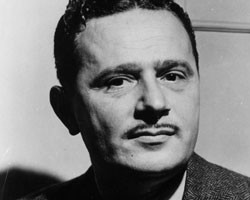
“Strange Fruit'” started out as a poem written  by Abel Meeropol, a Jewish high-school teacher from the Bronx, about the lynching of two black men in the south.  He was appalled by what happened and expressed his rage and sadness in a poem.  He published under a pen name, Lewis Allan, which he had gotten from his two children who he had lost in infancy.  He tried to find someone who could put music to his poem, but finally decided to write his own music to it.

Abel Meeropol

But this man, Abel, was more than just a thoughtful poet.  He lived what he wrote about.  His life was a passionate display of justice, love and kindness to all humanity.  For example, he and his wife adopted Julius and Ethel Rosenberg’s two sons, Micheal and Robert, after their parents’ executions.  Julius and Ethel Rosenberg were American communists who, in 1953, were convicted and executed for apparently committing  espionage.  The conviction was based on an alleged conspiracy to commit espionage by apparently passing information about the atomic bomb to the Soviet Union.  They were the first Americans ever executed for espionage, and their execution was, and still is, controversial.  After their parent’s death, Micheal and Robert needed a home, especially with the hatred and hysteria surrounding their parent’s life and death.  So Abel Meeropol and his wife adopted them, and the boys took on their surname to protect their identity.

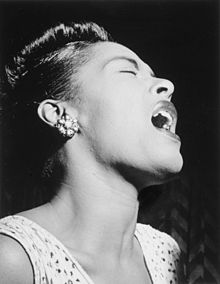
The song, “Strange Fruit”, became a plea for civil rights and its haunting tone and lyrics put emotion into the injustices that were being committed.  It became a song that motivated many people into action.  The people who made this song most popular were singers Billie Holiday and Josh White.  Billie Holiday was introduced to the song and made it a regular at live performances.  Billie Holiday approached her record company, Columbia, about getting it recorded, but they feared repercussions, especially from people in the south.  Finally, after a lot of controversy and people afraid to help her record it, she was able to get the recording finished, and it became one of her highest-selling records.

Billie Holiday

Some of the Honors this Song got were as follows:

  • 1999, Time magazine called it the song of the century.
  • 2002, the Library of Congress honored the song as one of 50 recordings chosen that year to be added to the National Recording Registry.
  • The Atlanta Journal-Constitution  listed the song as Number One on “100 Songs of the South”.
  • Bob Dillon cited “Strange Fruit” as an influence in the 2005 documentary No Direction Home.
  • Serbian rock musician, journalist and writer Dejan Cukic wrote about “Strange Fruit” as among 45 songs that changed the history of popular music in his book 45 obrtaja: Priče o pesmama.
  • 2010, the New Statesman listed it as one of the “Top 20 Political Songs”.


After researching the song’s history and hearing the recording of it, it’s astounding – all the pieces that went into play for this poem and song.  It was a great reminder to me that justice is waiting to be celebrated, and sometimes the best places to promote it are in what we naturally do well.  For it is in these places that it is easier to resonate with all our hearts and we feel an “amen” to what our inner soul knows is right.  Also, the story of Abel and his life of love, mercy and justice to others made his poem that much more powerful.  Because actions really do make our words legit.  And finally, sometimes what is most worth fighting for will scare people, especially those who’s identity is wrapped up in what other people think.  But what is most worth fighting for will always be worth the fight in the end.  And ultimately, the world is waiting for those who will have the courage to do the right thing – because it is then that it gives weaker ones the courage to stand up for the right thing, too.  May we keep fighting against apathy, injustice and hatred.  May we all realize that the truly strange thing in this world is to hate another human being.  We all are sacred.  We are all made of the same stuff – therefore, when I hate another person, I am also hating myself.  Let us keep fighting for Love, no matter the cost.

Here is Sonny White’s version of “Strange Fruit” sung by Nina Simone:

I was at work yesterday and entered into a closet to get some random item, when all of a sudden I noticed stacks and stacks of old magazines from years gone by.  Time Magazine, U.S. News and World Report from the 1950’s up to today.  National Geographic from 1919 to today, and old newspapers.

It was amazing to open up a magazine and just look back into the past and what occupied our lives.  What struck me was the fact that it was all the same news, just different players.  It was like the same tune of a song, with slightly different lyrics.  It was truly fascinating.

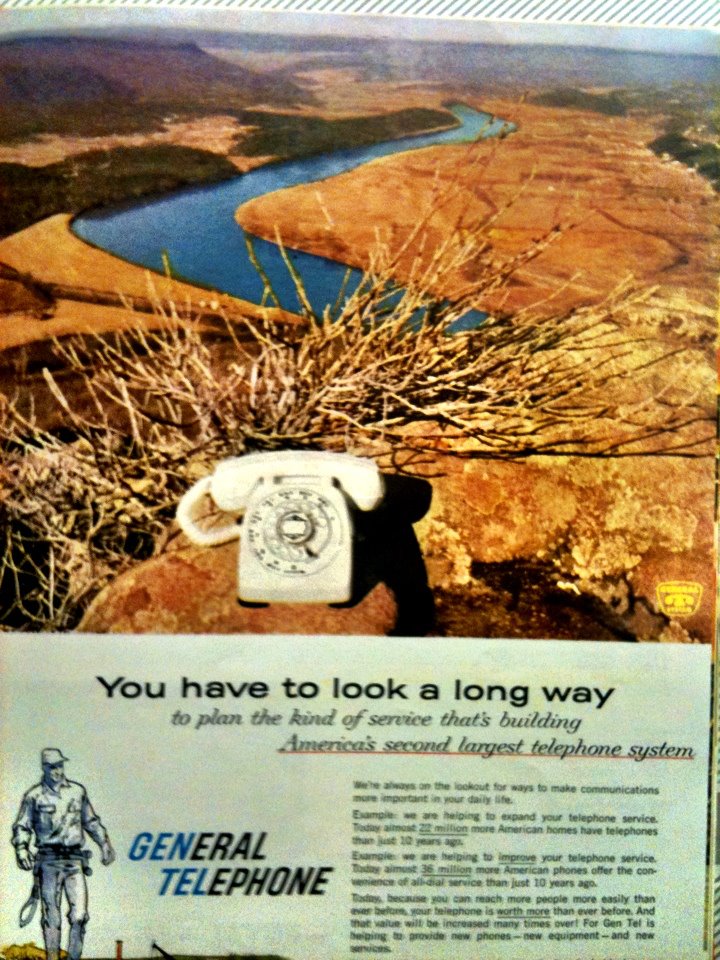
Here’s a phone advertisement from a 1959 magazine.  Ironically this picture was taken with my iPhone.

I like how the rotary phone is poetically sitting on a nice overlook

Here’s the cover for May 21, 1973 U.S. News and World Report:

Notice top news: politics, stock market, and war/poverty

And then my favorite magazine cover from yesterday’s find…notice how the headlines are basically hinged on the same topics as today:

Eerie how much the headlines are the same as today's...

It’s as if the only thing that has changed are the players on the stage.  We are still consumed with the stock market.  Politics is a hot topic of debate.  The environment is something we are discussing a lot, and of course the war or threat of war is always a news item.

It’s like they say, “history repeats itself.”  But then there are those who make choices to step outside the headlines box and do something to blaze a new trail.  Who knew, when they picked up this 1961 magazine, and debated about its topics and worried about its forecasts, that in a few years there would be history-makers who would make a choice to stand out and define their world.  People like Martin Luther King Jr, who would in a few years make his famous “I Have a Dream” speech; or 8 years later when we would land on the moon; or all those who would stood up for their rights and the rights of all humans. And many other history-making events and stories.  And then those who would fall in love and have children and bring more world-shakers onto this planet who would perhaps have the audacity to believe they could step outside the box and make the world a better place.  This is where we come onto the stage.

We all have a choice to what we will do with our time.  The headlines will always be consumed with the same old stuff.  It’s time we stopped letting the headlines define our reality, and we start to be a headline to our world.  We’re only here for so long.  So let’s rock this world.  Let’s not settle for the status quo.  Let’s let LOVE drive us to paint new headlines into the lives of every sacred being we encounter.  Let’s be history-makers.  Let’s let our lives be a song that will inspire others to dance, to sing at the top of their lungs, and roll down the windows – letting LOVE’s breath free us all from the squelching boredom and routine that is always trying to rob our passion, joy and authenticity!  Let’s stop letting our past define us.  Let’s stop letting the future handicap us in fear.  Let us all BE PRESENT.  Only then will we step outside of shrinking expectations and make new headlines!

It was the day we were leaving.  The muggy air hung heavy and our skin glistened with the sweat we had almost grown accustomed to.  We had just spent 2 weeks in Peru, living together, eating together, traveling together, walking rickety bridges together, drilling wells together, playing with children together, pulling teeth together…and just experiencing this new journey together.

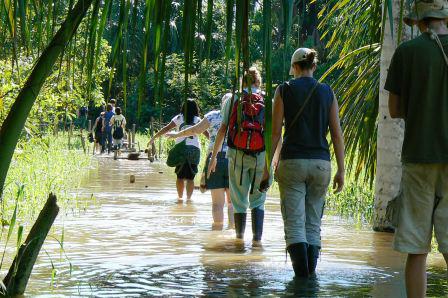
The walk of faith - one of our rickety bridges that got flooded!


We had found out more about each other.  We had, at times, gotten on each other’s nerves.  But the common goal of being open and loving people through the vehicle of drilling wells, playing with children, or pulling teeth, had kept us united in our diversity.  We felt accomplished.  We felt satisfied.  And we felt connected – like a family.

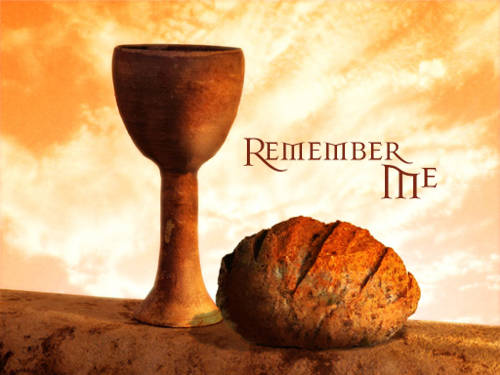
At the end of every trip, we usually partake in a practice called “Communion.”  Communion comes from the tradition where Jesus, on the night before he died, had a final meal with His disciples.  At the meal, as they all talked and shared together, He took the bread that they were all getting ready to eat, thanked God for it, and then broke it into pieces and handed it out to His friends.  But as He broke it, He said this strange phrase:  “Take this bread and eat it – this is my body which is broken for you…”  And I can imagine them confused and wondering what Jesus meant.  Then Jesus takes a cup of wine, and blessing it, says to His friends again, “this is my blood which is poured out for you as a sacrifice to forgive sins.  Drink this in remembrance of Me.”  And so this tradition, known as Communion, is what a lot of churches partake of.  (You can read about this tradition in Matthew 26:26-30 in the Bible)

In most churches, when they partake of Communion, it is a small wafer-type bread piece, almost smaller than a cracker.  And in some churches, for the Communion wine, it is either real wine, or grape juice, but it is a small sip from a tiny cup or a small sip from a cup that is shared.  And this service, known as Communion, is usually a symbol of taking Christ into the person, just like He said, “do this in remembrance of Me.”  And so at most Communion services, it is used as a symbol of forgiveness – taking in Christ’s “blood” to cleanse us from our sins, or partaking of His body to give us spiritual sustenance.

These practices of Communion are good reminders of what He did and still does do for us in our lives…

But what if Jesus actually literally meant what He said??

What if Jesus, when He said, “Do this in remembrance of Me” was talking about more than just eating a wafer or sipping a gulp of grape juice?  What if Jesus was saying, “Live this kind of lifestyle.  BE bread to someone, like I have been and am BREAD to you!  SACRIFICE your comfort, your selfishness, your lifestyle and pour it out for someone else.  BE a life-giving flood of love to others.  LIVE THIS IN REMEMBRANCE OF ME.”

And silly us – what if we are the ones who make it all hard and symbolic?  Did Jesus really mean for us to eat a tiny wafer and swallow a gulp of juice as a powerful reminder of His love and life?  Don’t get me wrong – these symbols can be powerful reminders to us of what He did and is doing in our lives.  However, we, as humans, are usually the ones who make things a lot more complicated then they were meant to be.  What if Jesus was talking about real life, and how we are to LIVE in a lifestyle of COMMUNION with ALL people, everywhere, because we are in COMMUNION with Him?

Now I’m not talking about a commune.  What I’m talking about is actually being the body of Christ and the blood of Christ to every person I come in contact with.  And in every miniscule detail of my life, I am then living a lifestyle of communion with Christ and with the world around me.  I become bread – whether that means listening to someone, or feeding someone, or connecting someone with an organization that can help them, etc.  I become the wine to others – whether that means forgiving others, or providing them with a safe place to just be, or to help quench their thirst, or to help carry their burdens and help them smile or laugh again.  I BE who God made me to be, in where ever I find myself to be.  And I do this because God did it for me.  I do this, I live this, I BE this because I am in COMMUNION with that God of LOVE.  And therefore I am in COMMUNION with every other sacred living being around me.  And it’s not something I fake – it’s something I am!

What if this is what it means to be in Holy Communion?  The wafer and juice are nice reminders, but what if Jesus was talking about something entirely more radical and real?  What would it look like if we lived this kind of love in every part of our lives?  What if we took on His challenge and lived a lifestyle of “Do this in remembrance of Me” in every situation we encountered.  What if we actually became LOVE with skin on?

So there we are sitting there, at our breakfast table, eating our final meal in Peru.  And all these thoughts are racing through my head.  I smile as I hear all our laughter and chit-chatting around the table.  It’s a beautiful moment.  Because in that moment, we were in Communion.  For the past 2 weeks we had been living Communion.  For the past 2 weeks we had been partaking in the lifestyle of love and selflessness and unity in the midst of diversity.  We had all had the common goal of helping others, which had then drawn us together in a tighter bond.  We had learned from our Peruvian brothers and sisters what a community looks like – how we all help each other because we all are lacking in one way or another, and perhaps the person next to me is holding the link to what I am in need of, and visa-versa.  They had shown us that we are stronger together than we are alone. We were experiencing Holy Communion.

And so, as we finished eating our meal, we all got our water bottles together and filled them with water.  Water had been the goal that connected us over this trip.  I explained to them that in this Communion Service there would be no bread, no wafer – because we had been experiencing the Bread for the past 2 weeks.  We had been living it, and partaking of the body day-in-and-day-out.  We had been living Communion.  But we were going to partake of a drink of water – water to symbolize life, connection with God and connection with others.  And after we drank as much as we wanted from our bottle, we would pour out the rest of our water on the ground, slowly, as a prayer, thinking of all the faces, names and new friends we had acquired in our time here in Peru.  As the water would pour into the ground, it was our prayer that God would continue to bless our new friends with life, sustenance, joy, and peace.  This was our last Communion Service in Peru.

As we packed up our bags and put away our tents, and later that day as we loaded into the bus for the last time, and finally into the plane to fly back home, it occurred to me:  perhaps we make the teachings of Jesus, and the teachings of LOVE much more complicated than they were meant to be.  Perhaps we miss out on the powerful concept of living a life of Communion because we are only looking at a wafer and a drop of grape juice.

The day was already sticky and hot, and it wasn’t even 9am yet.  We slathered on the sunscreen, mixing it on our already-sweaty arms and legs.  Today was the day of the first well-dig, and we were ready to get it on.  What followed in the coming days was a beautiful dance of digging, drilling, pumping and sealing.  But today would be our first water-well out of 5 that we would have the honor of bringing to families and neighborhoods.

As we huddled around the heavy-packed sod we were about to tear up, there was something mysterious and magical that hung in the air.  This element, water, is something that connects us all – to all life.  Water is something that is so basic, yet in some parts of the world so precious because it cannot be just turned on with a switch.  Many people are forced to labor and sacrifice time and energy to provide this very basic, life-giving source by carrying it for miles to their families or villages.  And here we were, standing on this holy ground that would soon become a source of life and thrival in a few hours.  The moment felt holy, because under our feet was the stuff that held the precious necessity that connects us all – H2O.

We gathered around for a moment and offered this hallowed ground to God, as well as our sweat, muscles and minds.  The humble honor of participating in such a gift was astounding.  After our pause, we jumped in and began to dig…and dig and dig.

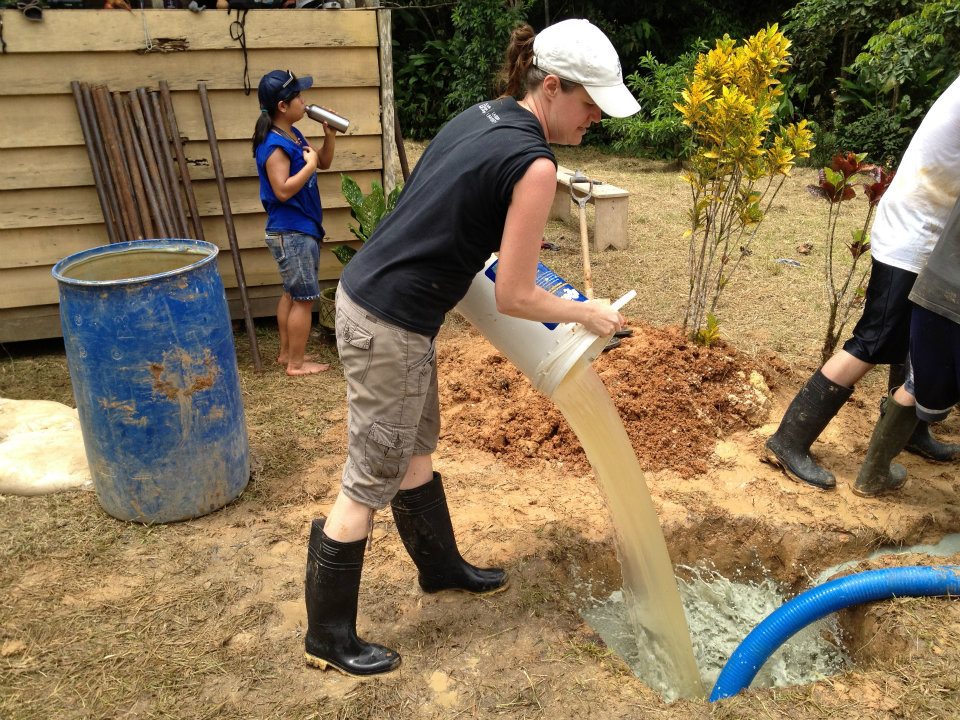
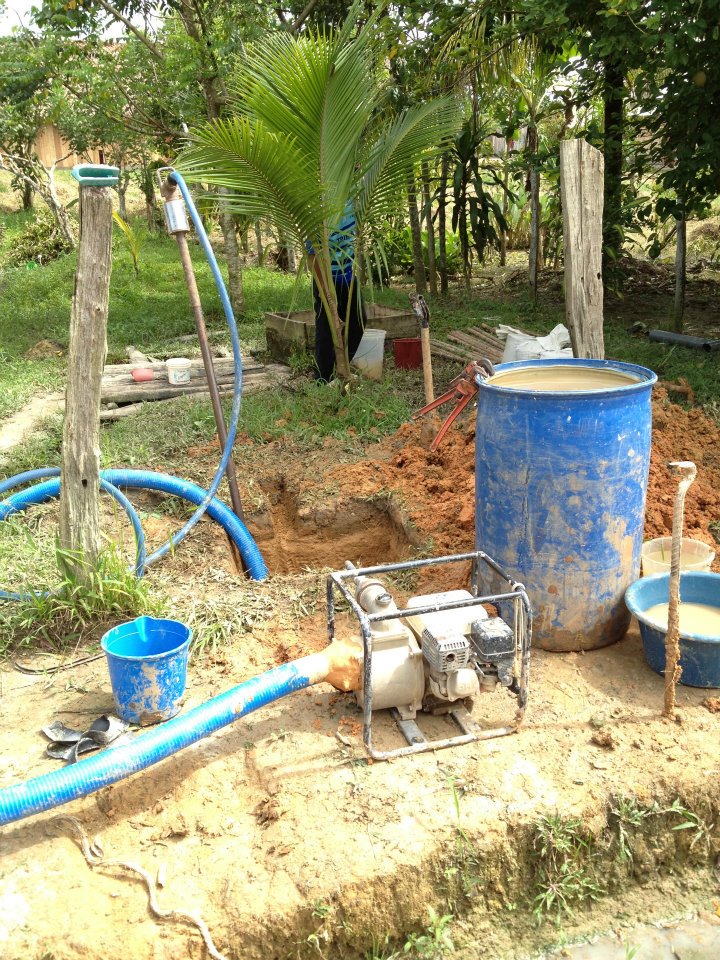
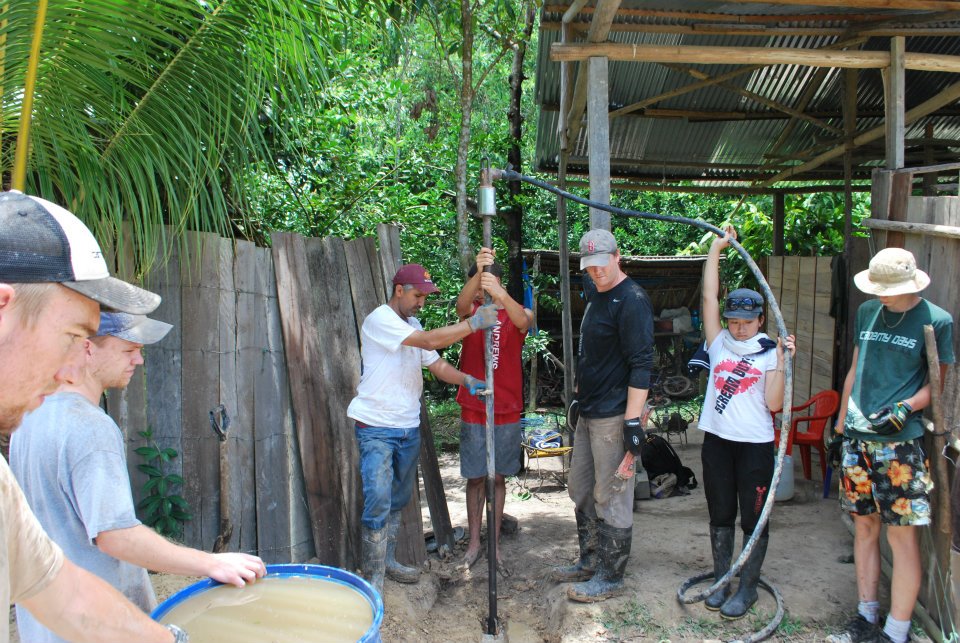
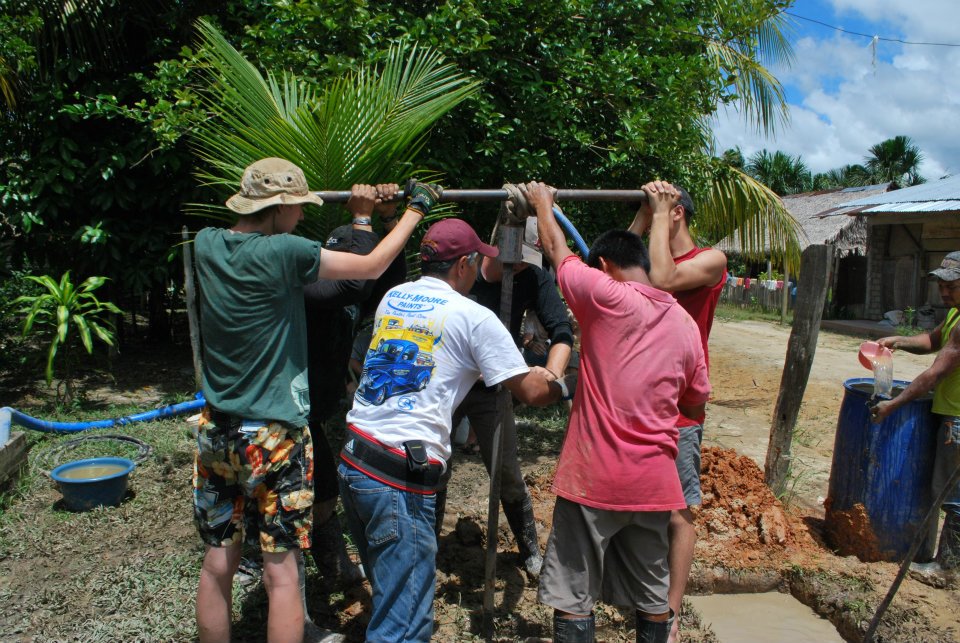
It’s very interesting the steps that are involved in drilling a well by hand.  They are as follows:

– Dig the overflow “tank” – about 4 feet deep.

– Pat down the inner walls of the overflow tank – most of the dirt is clay-like and so it makes for a perfect natural tank

Carrying water from the river for the overflow tank

– Pour river or pond water (whatever is available close by)  into the overflow tank and fill it up, as well as a large trash-can-sized container with extra water.

– Start up the generator that pumps the river water into the drill.  (the drill consists of a drill-tip that you connect the other piping to, and then you connect the water pump to the piping, which then runs down through the piping and jets out through the drill tip.)

All the pieces in play for a well

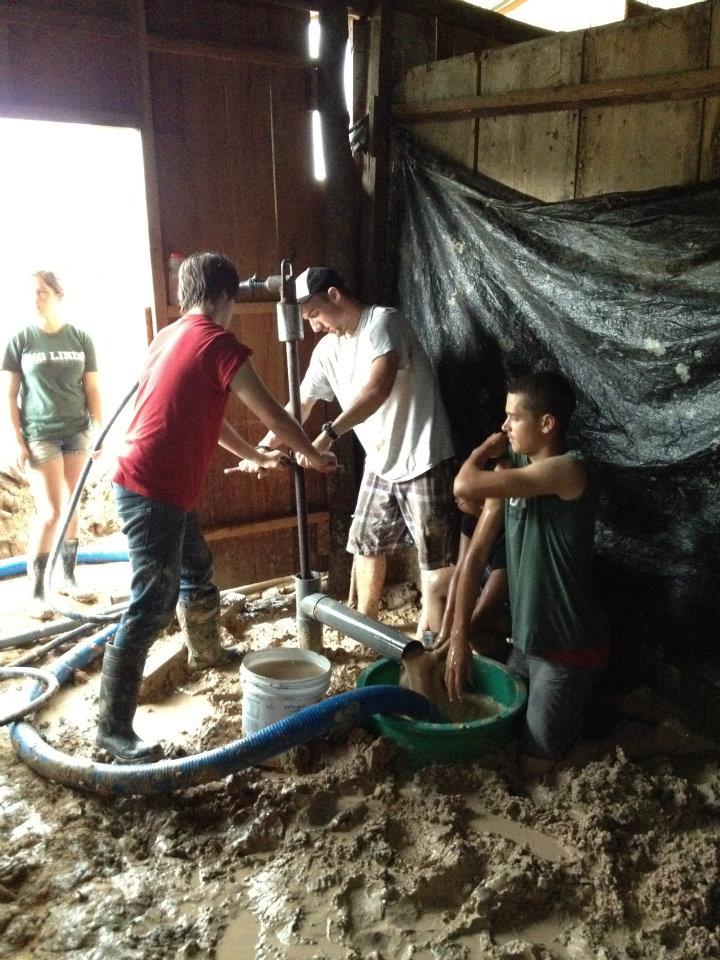
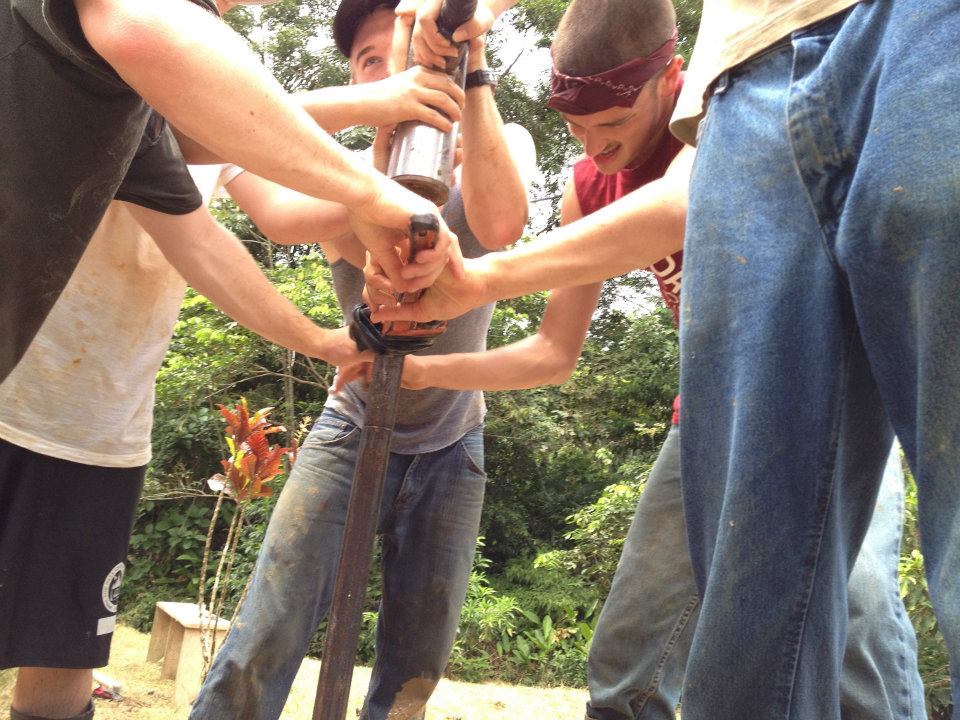
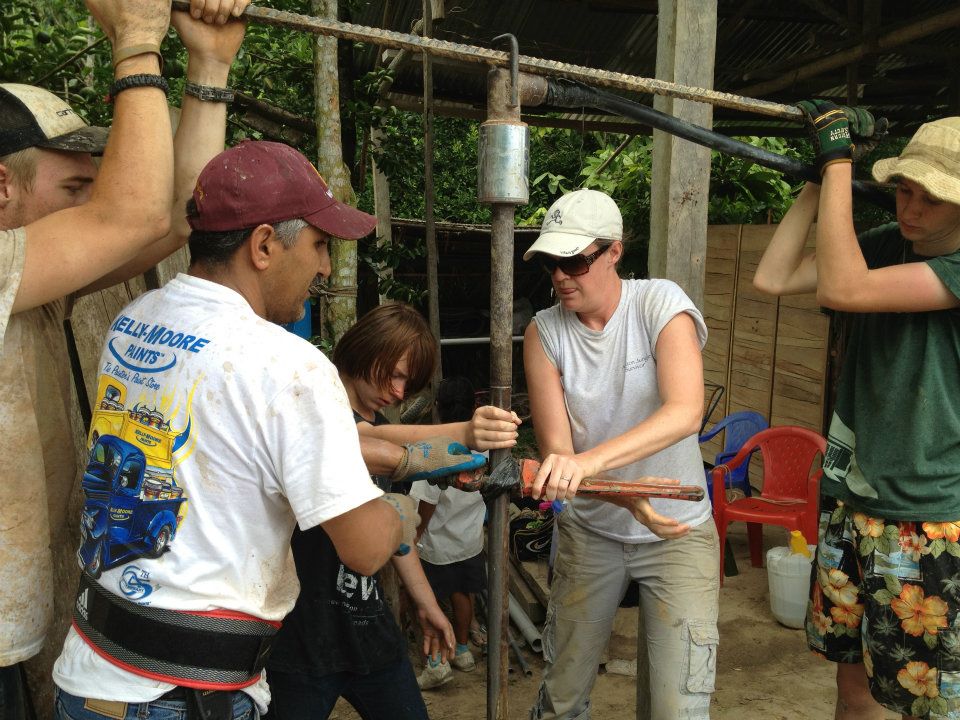
– Connect all the drill pieces, and begin to drill the well, turning it by hand with two monkey wrenches.  This is a tough job and different participants in the well-drilling have to rotate every 10 minutes.

– As the water level may lower, the bucket-brigade continues to fill up the overflow tank.

– As the drill gets deeper, you add more pipe

– Keep adding pipe until you hit the fresh, clean water well in the earth.  (You can tell when you’ve hit the fresh water because of the minerals that will come out with the water.)

– Flush out the drill hole, and add the pvc pipe

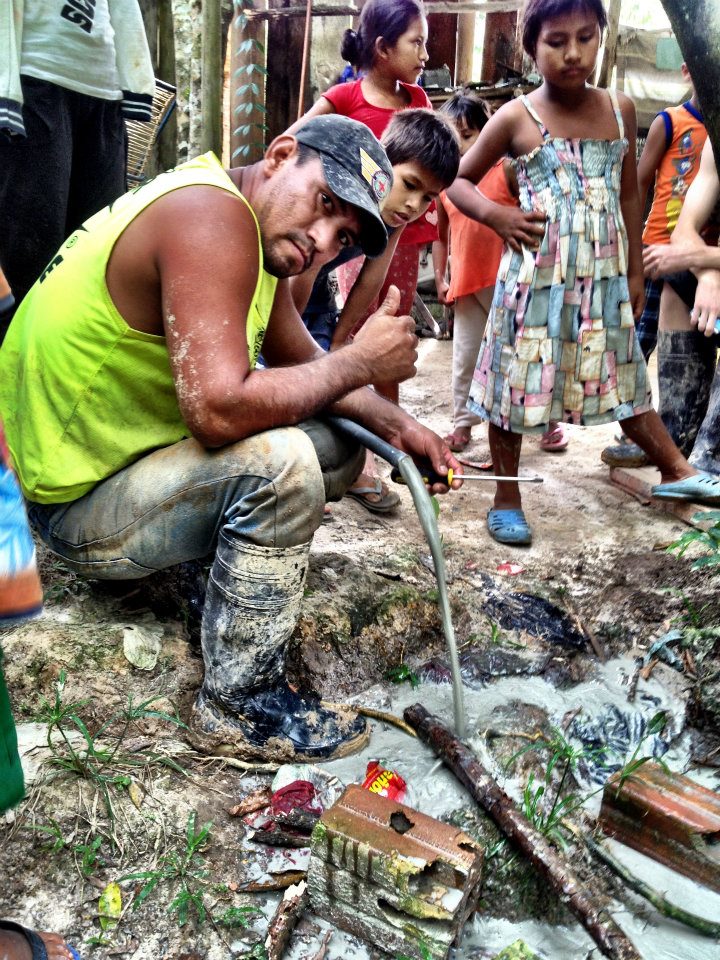
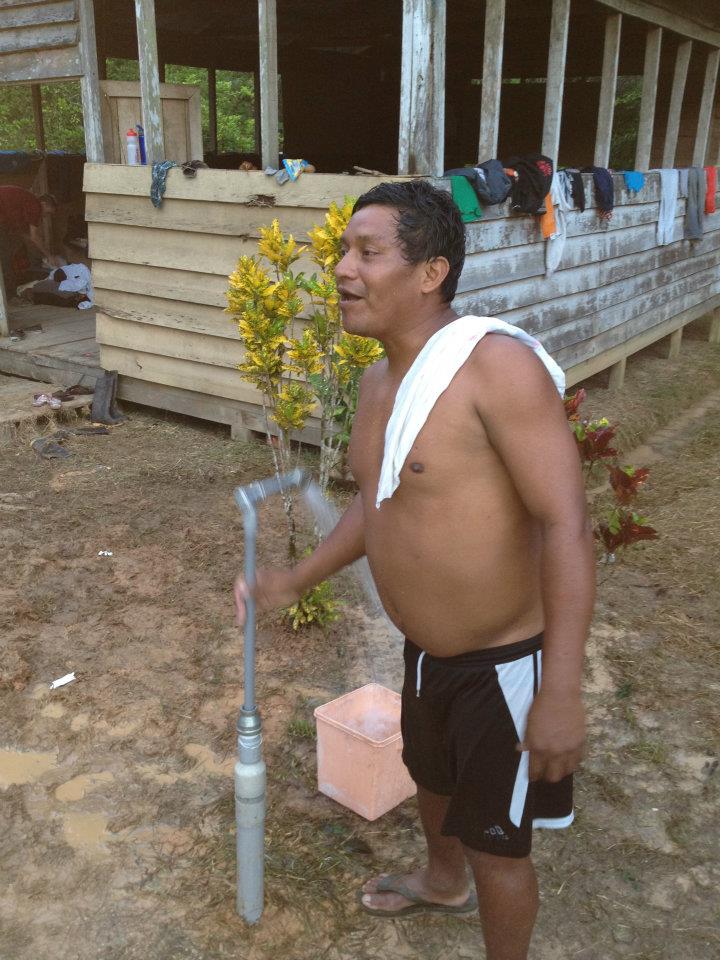
Gabriel flushes out the new well

– Flush out the dirty pump water.

– Put on the top of the pump and WALA!  You have a fresh water well!

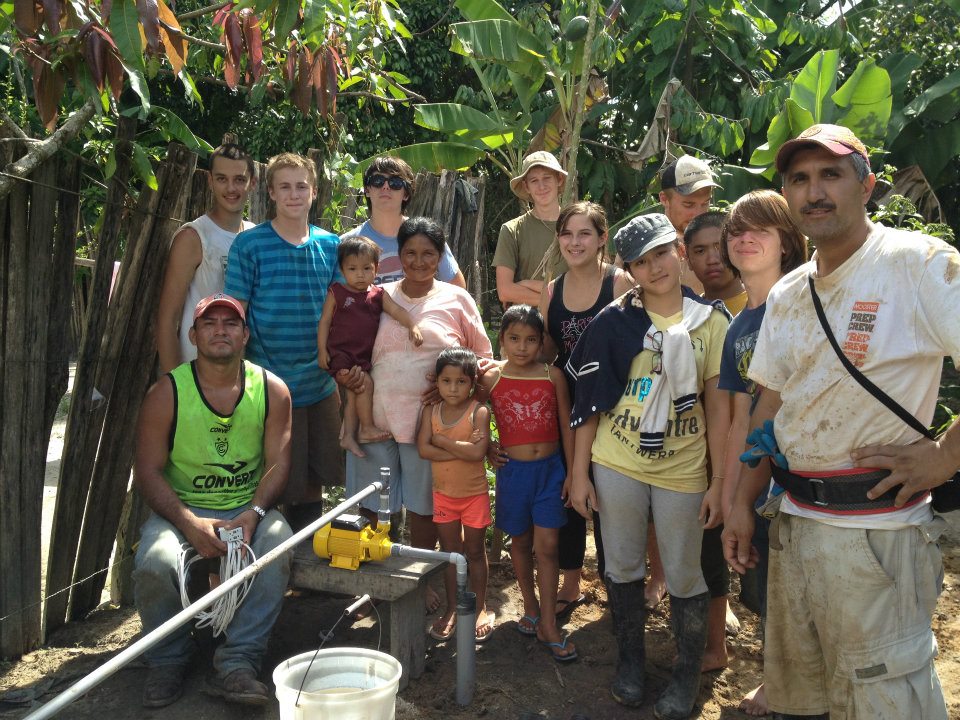
The first well we drilled at San Andreas village

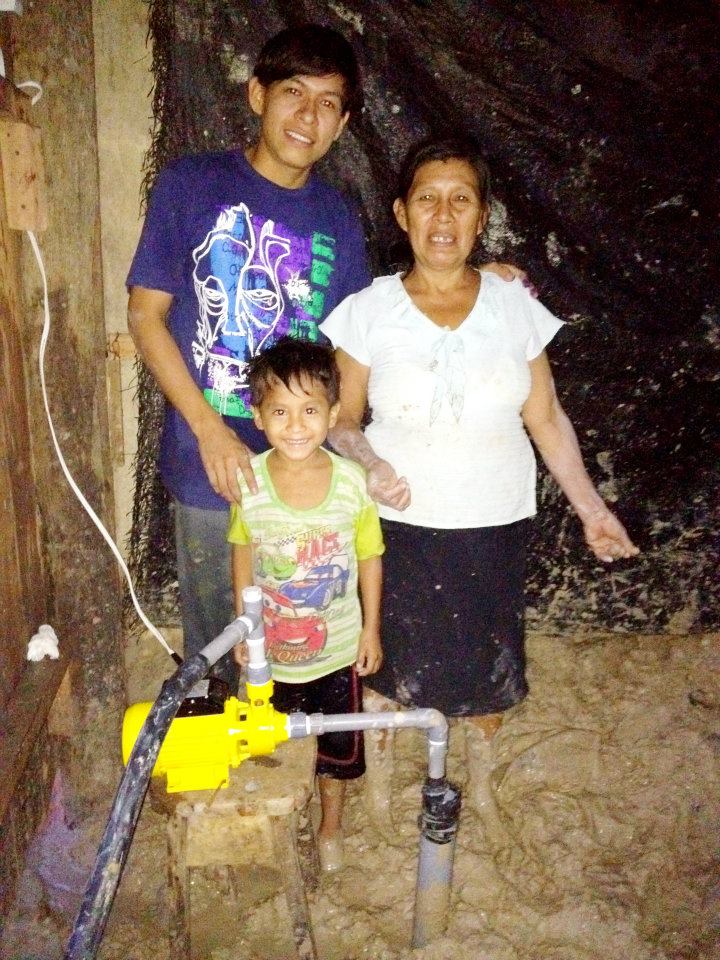
The well we did inside this family's house

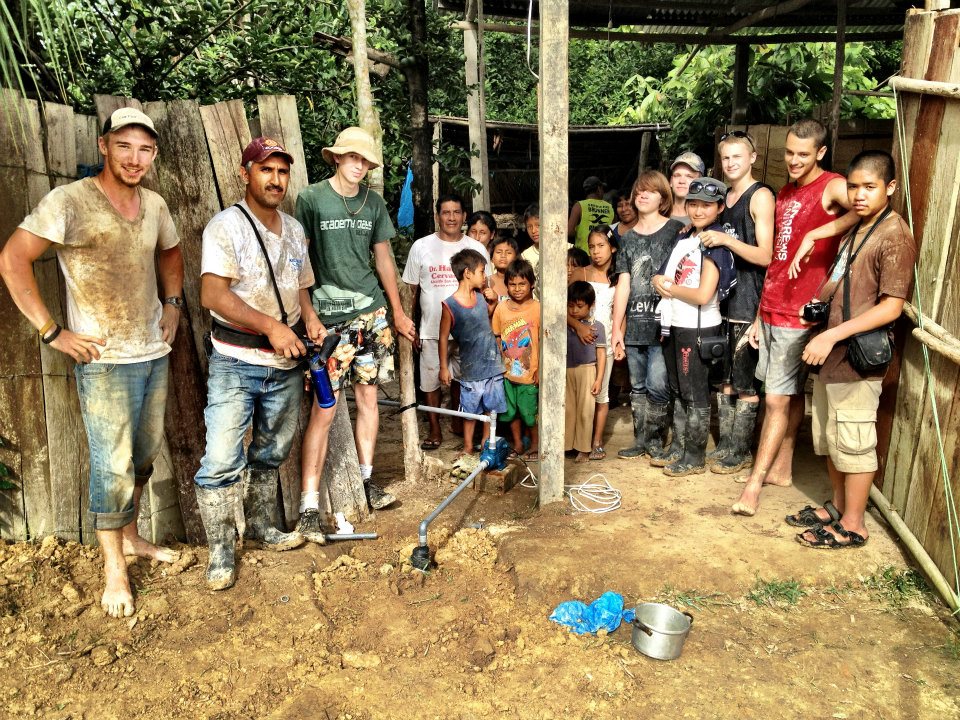
A family with their well all finished and the crew

This woman is also getting a new house

Two of the girls that got a well

It was pretty amazing to be able to drill by hand water from the earth, and to help provide that basic human need to our Peruvian brothers and sisters.  It was humbling for me to partake in the beauty of that labor.  I thought of my own experience, and how easy it is to get water, and how I don’t treat it with the sacredness it deserves.  You see, water unites all of life.  They say that 70% of the human body consists of water.  They also say that 77-78% of the human brain is water.  Blood is 55% Plasma, and plasma is about 90-92% water, which makes blood about 50% water.  Water unites us, just as air unites us…just as love, laughter, and life unites us.

Since getting back to the States and watching my flushing toilet; and seeing the miracle of my washing machine; and being able to draw a hot bubble bath with the turn of a spigot, or pour out a glass of clear water from my faucets that exist in several rooms in my house, I am humbled.  What makes me so blessed to have the luxury of this basic necessity of water literally at my fingertips?  Why doesn’t the whole world have this luxury?  We are all deserving of this blessing – because we are all partly made of water, and so water unites us.  But then once again, I stop and think:  most of us are unaware of the luxuries we possess.  We cannot fully understand it’s weight until we have experienced life without it…and so, who is truly more wealthy?  Those of us who have all these conveniences and grumble, complain and wrestle with feeling entitled and “needing” more; or those who have labored for the right to have water – who have carried it for miles and have shared it with their thirsty friends and family – and who finally get a well in their home or neighborhood and truly feel the luxury of the water that now comes forth with just a turn of the switch!  They celebrate every mouthful on their parched lips because they know the true meaning of the wealth of this basic, life-giving necessity!  May we all remember that we are treading on holy ground all the time, and the necessities of this life are what unite us…and this is what makes life and community and basic human rights truly holy.